The Relationship Between Software Engineering and Digital Artistry
The intersection of software engineering and digital artistry reveals a dynamic collaboration that shapes modern creative landscapes. When software engineers leverage their technical skills to enhance digital artistry, they create innovative tools and platforms that empower artists to push creative boundaries. This synergy not only transforms how art is created but also influences the development of new technologies.
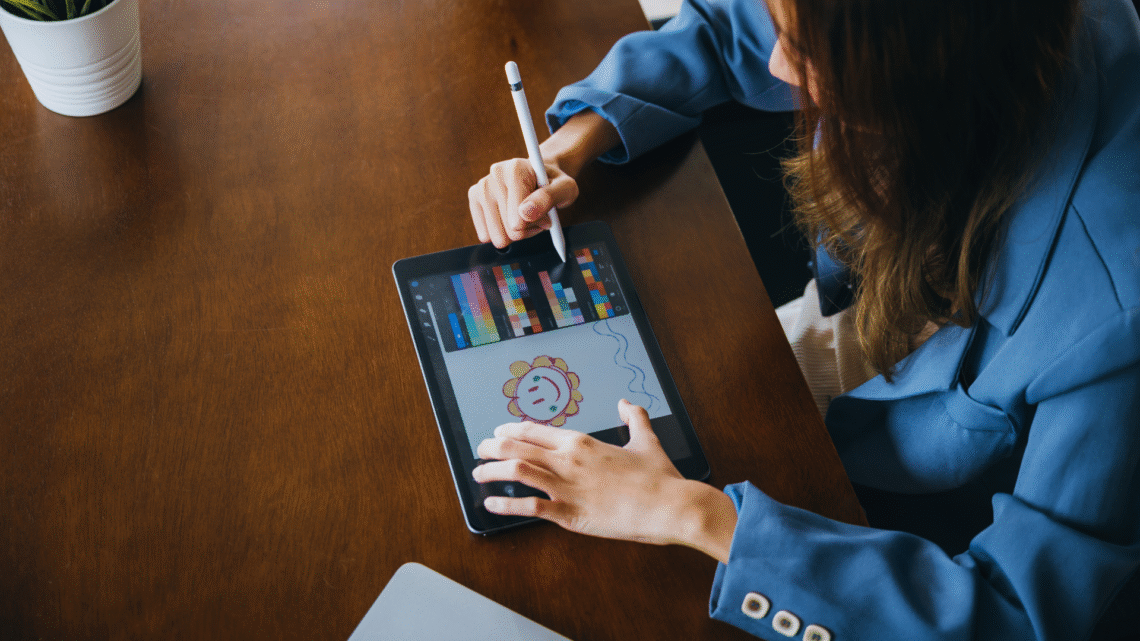
Digital artistry relies on sophisticated software solutions that enable artists to express their vision with precision. Engineers work behind the scenes, developing applications that facilitate everything from digital painting to 3D modeling. As a result, the relationship between these two fields drives both artistic expression and technological advancement.
Exploring this interplay offers insights into how artistic creativity can thrive in a digital environment. The techniques and tools crafted by engineers allow artists to experiment and evolve their practices, redefining what it means to create in the digital age.
Foundations of Software Engineering and Digital Artistry
Understanding the roots of software engineering and digital artistry reveals their interconnected nature. Each domain contributes unique elements that enhance creation, development, and the creative process.
The Evolution of Digital Art and Engineering
Digital art emerged in the late 20th century alongside advancements in computer technology. Early software allowed artists to manipulate images and create graphics. Programs like Adobe Photoshop and computer graphics have developed significantly, enabling artists to push creative boundaries.
As technology progressed, so did the complexity of software engineering. The rise of interactive applications brought about a need for designers and engineers to collaborate. Game design and multimedia productions exemplify where both fields intersect, requiring robust frameworks in software and artistic vision.
Core Principles and Methodologies
Software engineering relies on established principles such as modularity, abstraction, and maintainability. These principles guide developers in creating robust, scalable applications. Engineers often follow methodologies like Agile or Waterfall to manage project development effectively.
In digital artistry, principles include composition, color theory, and form. Artists utilize design thinking to approach creative challenges systematically. Both areas benefit from iterative processes, where feedback loops refine outputs through continuous improvement and collaboration.
Comparing Approaches in Creation and Development
The creative process varies between software engineers and digital artists. Engineers emphasize functionality, performance, and user experience. They use programming languages such as Python or Java to implement features and solve problems.
Conversely, digital artists focus on aesthetics, emotion, and storytelling. They operate within programs like Maya or Illustrator, bringing visual narratives to life. Despite differing priorities, both disciplines require strong problem-solving skills and creativity to achieve compelling results.
By exploring these foundations, the synergy between software engineering and digital artistry becomes evident. Each informs and enhances the other, fostering innovation and creativity.
Intersecting Disciplines: Where Engineering Meets Digital Art
The convergence of software engineering and digital artistry fosters unique opportunities for collaboration and innovation. Notably, this intersection enriches creative processes and enhances user experiences through technological advancements.
Collaboration in Digital Art Creation
Collaboration between software engineers and digital artists significantly enhances creative projects. Engineers provide technical expertise that enables artists to push the boundaries of their craft. They work together on tools and applications that streamline the creative workflow.
For example, artists utilize software to create intricate visual experiences. Engineers ensure these tools are user-friendly, allowing artists to focus on creative expression rather than technical limitations. This partnership results in innovative artworks that reflect both artistic vision and technical proficiency.
Human-Computer Interaction and Interface Design
Human-computer interaction (HCI) plays a crucial role in how audiences engage with digital art. Effective interface design is essential for crafting experiences that are intuitive and accessible. Engineers and artists work together to develop interfaces that enhance interaction.
A well-designed interface allows users to navigate through artistic installations seamlessly. It can transform viewer engagement, making the experience more immersive. This cooperation also inspires new methods of interaction, such as gesture-based controls or responsive environments that react to user movements.
Innovations in Interactive Installations
Innovations in interactive installations demonstrate the synergy between engineering and artistry. These projects often utilize artificial intelligence (AI) to create responsive art that adapts to viewer inputs. Engineers design the underlying systems that facilitate these dynamic experiences.
Interactive installations invite viewers to become part of the artwork. As they engage, the installation can change based on their actions, creating a unique encounter. This fusion of technology and art revolutionizes the way people appreciate and interact with creative works, highlighting the importance of collaboration in both fields.
Applications and Impact on Modern Digital Media
The convergence of software engineering and digital artistry has transformed various sectors of modern digital media. Its effects can be seen prominently in entertainment, fashion, music, film, web services, and telecommunications.
Influence on Entertainment and Performing Arts
In the realm of entertainment, software engineering has revolutionized how stories are told. Through tools like Unreal Engine, creators can develop immersive virtual environments for video games and live performances.
Digital artistry brings an aesthetic dimension to these experiences. Artists can incorporate augmented reality (AR) and virtual reality (VR) to engage audiences in innovative ways. For example, concerts may feature holographic performers, allowing for a blend of digital and live artistry.
This combination influences audiences, making performances more interactive and memorable.
Integration in Fashion, Music, and Film
Fashion design increasingly employs digital tools for prototyping and visualizing collections. Software programs enable designers to create intricate patterns and simulate fabrics, streamlining the production process.
In music, digital artistry allows for the use of software like Ableton Live and Pro Tools, providing artists with a vast palette of sounds and editing capabilities. This enhances creativity and collaboration, enabling artists to merge genres seamlessly.
Film also benefits significantly from software innovations. CGI and animation software enable filmmakers to bring fantastical elements to life, pushing creative boundaries and providing new storytelling methods.
Role in Web Services and Telecommunications
Software engineering drives advancements in web services and telecommunications, redefining how digital media is accessed and distributed. Streaming services utilize sophisticated algorithms to analyze viewer preferences and suggest content, enhancing user experiences.
Telecommunications rely heavily on software to manage data transmission, enabling high-quality streaming and smoother connections. Because of the widespread use of telecommunications in the modern day, there is a lot of value derived from having highly technical software solutions for consumers. It’s for this reason that development companies like ioSTUDIOS are relied on by third parties to oversee and manage the creation of software solutions that will meet the needs of their customers in the digital age. Being able to rely on the skills and experience of industry professionals reduces the time to market, minimises bugs and other problems and widens the scope of what can be achieved by the software.
Big data analytics can inform marketing strategies, allowing companies to understand audience behavior better. This intelligence helps in curating content that aligns with user interests, driving engagement and consumer loyalty.
The synergy between software engineering and digital artistry enhances modern digital media, making it more dynamic and accessible.
Challenges, Innovations, and the Future
The intersection of software engineering and digital artistry presents various challenges and opportunities. Key areas include the need for effective problem-solving and risk management, ethical considerations in the use of technology, advancements brought by emerging technologies, and the importance of maintenance and continuous improvement.
Problem Solving and Risk Management
In software engineering, problem-solving is crucial for addressing both technical and creative challenges faced by digital artists. Engineers often need to find solutions for compatibility issues between different software tools that artists use. They also manage risks related to project timelines and resource allocation, ensuring that both artistic vision and technical feasibility align.
Effective risk management strategies involve identifying potential issues early. Regular testing of software can reveal bugs that may hinder artistic expression. Moreover, maintaining clear communication between engineers and artists enhances collaboration, which helps mitigate misunderstandings that can lead to project failure.
Ethical Considerations and Sustainability
Ethical considerations are increasingly important in the relationship between software engineering and digital artistry. As artificial intelligence becomes more integrated into the creative process, questions arise regarding authorship and originality. Artists must navigate these complexities while maintaining their unique voice in their work.
Sustainability is another key issue. The creation and distribution of digital art often require significant energy resources. Engineers can develop more efficient software to reduce the environmental impact of digital processes. This may involve optimizing coding practices or utilizing cloud computing to minimize energy consumption.
Emerging Technologies in Art and Engineering
Emerging technologies hold significant promise for the future of software engineering and digital artistry. Innovations like augmented reality (AR) and virtual reality (VR) are transforming how audiences engage with art. Software engineers are building immersive environments that allow artists to explore new dimensions of creativity.
Artificial intelligence also plays a pivotal role. Machine learning algorithms can analyze patterns in art, assisting artists in generating ideas or suggesting modifications. This collaboration not only enhances creativity but also raises questions about the role of human oversight in creative processes.
Maintenance and Continuous Improvement
Maintenance is essential not only for the functionality of software tools but also for the ongoing evolution of digital art. Engineers must frequently update software to incorporate user feedback and the latest technological advancements. This involves both patching bugs and enhancing features to improve the user experience.
Continuous improvement is a vital aspect of software development. Agile methodologies encourage iterative development, allowing teams to respond quickly to changes and refine digital tools. By prioritizing maintenance and improvement, engineers ensure that artists have access to cutting-edge tools that enhance their creative capabilities.