
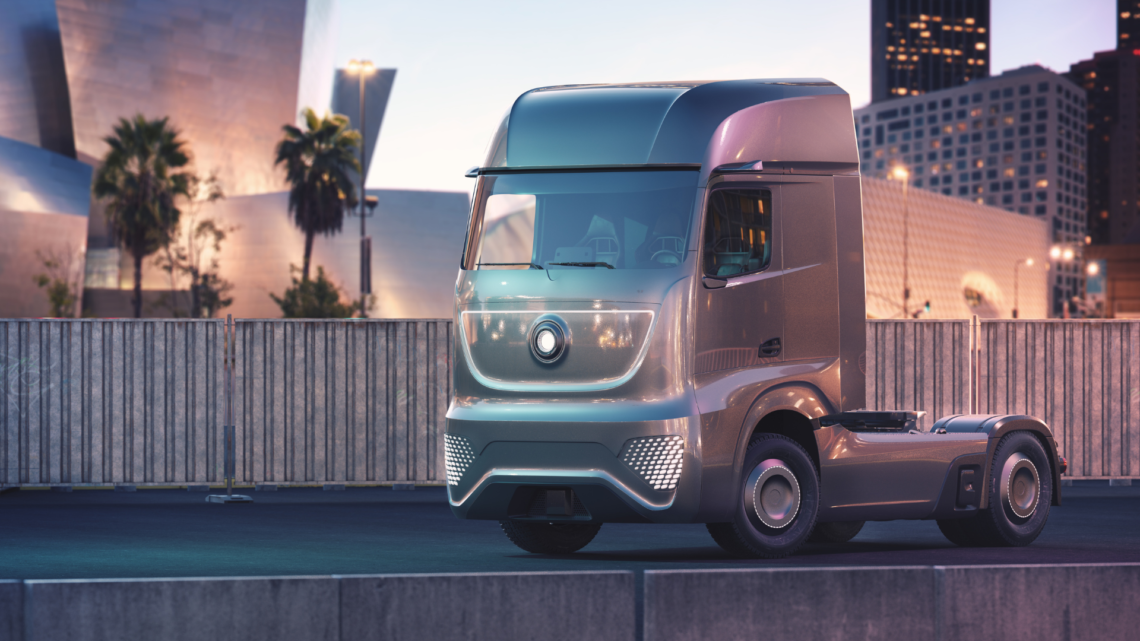
Autonomous Vehicles: Revolutionizing Transportation for the Future
Autonomous vehicles represent a significant leap in transportation technology, promising to change the way people travel. These self-driving cars aim to enhance safety, reduce traffic congestion, and provide mobility to those unable to drive. As advancements in artificial intelligence and sensor technology continue, the potential benefits and challenges of these vehicles become increasingly relevant.
The integration of autonomous vehicles into everyday life is not just a futuristic concept; it is rapidly becoming a reality. Many companies are actively testing their technologies, with some even deploying autonomous fleets in select urban areas. This growing presence raises important questions about regulation, safety, and the impact on employment in the transportation sector.
As society approaches this turning point, understanding the implications of autonomous vehicles is crucial. The discussions surrounding their development emphasize both opportunities for innovation and concerns over ethical considerations. This blog post explores these facets, providing insight into what the future may hold for autonomous transport.
History of Autonomous Vehicles
The concept of autonomous vehicles dates back to the 1920s. Early experiments included radio-controlled cars, with notable developments in the 1950s and 1960s.
In 1956, General Motors introduced a vision for a driverless car, showcased in the “Futurama” exhibit. This sparked an interest in automation in transportation.
The first successful autonomous vehicle was developed by Frank Chapman in the 1970s. His work at Stanford University utilized computer vision and artificial intelligence.
In the 1980s, the Navlab project at Carnegie Mellon University demonstrated public road capabilities. This project focused on creating vehicles that could navigate urban environments autonomously.
The 1990s saw significant advancements with the invention of the Adaptive Cruise Control system. It paved the way for modern self-driving technology.
During the 2000s, the DARPA Grand Challenge marked a turning point. Many teams competed to build autonomous vehicles, with Stanford’s “Stanley” winning in 2005.
By the 2010s, companies like Google began extensive testing of self-driving cars. Their efforts showcased technologies such as LIDAR and advanced sensors.
Today, various manufacturers are developing autonomous technologies, with ongoing research focused on safety and regulatory standards. The history of autonomous vehicles illustrates a journey of innovation and technological advancement.
Technologies in Autonomous Vehicles
Autonomous vehicles rely on advanced technologies that enable them to navigate and operate without human intervention. Key components include sensors for environmental data, machine learning algorithms for decision-making, and communication systems for connectivity with other vehicles and infrastructure.
Sensors and Data Acquisition
Sensors are critical in autonomous vehicles, providing real-time data about the environment.
Common types include:
- LiDAR: Uses laser beams to create high-resolution, three-dimensional maps of surroundings.
- Radar: Detects objects and their speed, functioning well in various weather conditions.
- Cameras: Capture visual information, enabling recognition of traffic signals, road signs, and pedestrians.
These sensors work together to generate a comprehensive understanding of the vehicle’s environment. Data acquisition systems then process this information, helping the vehicle identify obstacles, plan routes, and ensure safety through continuous monitoring.
Machine Learning and Artificial Intelligence
Machine learning and artificial intelligence play a crucial role in enabling autonomous decisions. These technologies analyze vast amounts of data collected from sensors to improve performance over time.
Key aspects include:
- Object Recognition: AI algorithms identify and classify objects, such as other vehicles and pedestrians.
- Predictive Analytics: Anticipates potential hazards by recognizing patterns and predicting behaviors of other road users.
- Path Planning: Determines optimal routes and maneuvers based on real-time data.
These capabilities enable autonomous vehicles to make informed decisions, enhancing safety and efficiency in navigation.
Communication Systems
Communication systems facilitate interaction between autonomous vehicles and their environment.
The key components are:
- Vehicle-to-Vehicle (V2V): Allows cars to exchange information about speed, direction, and road conditions.
- Vehicle-to-Infrastructure (V2I): Connects vehicles to traffic signals and road networks, improving traffic flow and safety.
- 5G Networks: Offer high-speed data transfer, essential for real-time communication and quick decision-making.
These systems enhance situational awareness and streamline traffic management, contributing to the overall effectiveness of autonomous driving technology.
Levels of Vehicle Autonomy
Vehicle autonomy is classified into six levels, defined by the Society of Automotive Engineers (SAE). These levels range from complete manual control to full automation.
Level 0: No Automation
- Description: The driver is fully responsible for vehicle operation.
- Example: Conventional vehicles with no assistance systems.
Level 1: Driver Assistance
- Description: Some driving tasks may be automated.
- Example: Adaptive cruise control.
Level 2: Partial Automation
- Description: The vehicle can control both steering and acceleration/deceleration. The driver must remain engaged.
- Example: Tesla’s Autopilot.
Level 3: Conditional Automation
- Description: The vehicle can handle most driving tasks in specific conditions. The driver must be ready to take over.
- Example: Audi’s Traffic Jam Pilot.
Level 4: High Automation
- Description: The vehicle can perform all driving tasks in defined environments without human intervention.
- Example: Waymo’s fully autonomous taxi service in specific locations.
Level 5: Full Automation
- Description: The vehicle is capable of operating in all environments without human intervention.
- Example: Fully autonomous vehicles that require no steering wheel or pedals.
Understanding these levels helps gauge the current capabilities and future potential of autonomous vehicles in society.
Autonomous Vehicle Software
Autonomous vehicle software encompasses the crucial systems that enable self-driving cars to operate safely and efficiently. This includes the operating systems that manage hardware and the data processing techniques essential for decision-making and navigation.
Operating Systems
The operating system in an autonomous vehicle acts as the backbone for all functions. It controls hardware components, manages resources, and ensures smooth communication between various software modules.
Common operating systems used include:
- Linux: Widely adopted for its flexibility and open-source nature.
- ROS (Robot Operating System): Specifically designed for robotics, providing tools and libraries.
- QNX: Known for real-time performance and safety features.
Each system must meet stringent requirements for reliability and safety, handling numerous tasks like monitoring sensor inputs and coordinating control systems.
Data Processing and Analytics
Data processing plays a vital role in enabling autonomous vehicles to understand their environment. The software processes inputs from various sensors, including LiDAR, cameras, and radar.
Key tasks include:
- Sensor Fusion: Integrating data from multiple sensors to create a comprehensive view.
- Object Detection: Identifying other vehicles, pedestrians, and obstacles through algorithms.
- Path Planning: Calculating optimal routes in real-time based on the environment.
Advanced machine learning techniques enhance the accuracy of these analyses. This capability allows autonomous vehicles to make informed decisions quickly, crucial for ensuring passenger safety and efficient driving.
Regulation and Safety Standards
Regulation of autonomous vehicles involves multiple layers of governance. National and local authorities establish laws to ensure public safety and facilitate innovation.
Key Regulatory Bodies:
- National Highway Traffic Safety Administration (NHTSA): Sets safety standards for vehicles in the United States.
- European Commission: Formulates regulations applicable across EU member states.
These organizations develop guidelines that autonomous vehicle manufacturers must follow, including testing requirements and performance benchmarks.
Safety Standards Focus Areas:
- Testing Protocols: Establishes comprehensive testing before public deployment.
- Data Security: Addresses cybersecurity measures to protect against hacking.
- Liability Framework: Clarifies responsibility in the event of an accident.
Different regions may adopt distinct approaches. For instance, California has enacted specific laws for self-driving cars, outlining necessary permits, driver intervention policies, and insurance requirements.
As vehicle technology develops, insurance remains an important consideration alongside changing safety and liability rules. Michigan drivers and businesses reviewing their current vehicle coverage can speak with Oakland Insurance about personal or commercial auto insurance options suited to their present needs.
Challenges in Regulation:
- Rapid Technological Advances: Regulatory bodies must keep pace with innovation.
- Varying State Laws: Differences in laws can create confusion for manufacturers and consumers.
Engagement between manufacturers, regulators, and the public is crucial. Continuous dialogue helps shape effective regulations that enhance safety and promote technological advancements.
Market Analysis and Economic Impact
The market for autonomous vehicles is experiencing rapid growth, influenced by advancements in technology, changing consumer attitudes, and regulatory changes. This section examines consumer adoption trends, the potential impacts on employment, and the environmental effects of widespread autonomous vehicle use.
Consumer Adoption
Consumer acceptance of autonomous vehicles is crucial for market success. Recent surveys indicate that approximately 60% of consumers are open to using self-driving technology, with younger demographics showing greater enthusiasm. Factors driving adoption include enhanced safety features, convenience, and cost-effectiveness.
In the automotive industry, companies are investing heavily in research and development. Major players like Tesla and Waymo lead the market, while traditional manufacturers are adapting their strategies. Infrastructure improvements, such as smart roads and better connectivity, also play a vital role.
Impact on Employment
The rise of autonomous vehicles could significantly impact job markets, particularly in transportation sectors such as trucking, taxi services, and delivery logistics. Estimates suggest that automation could displace over 3 million jobs by 2030 in the U.S. alone, raising concerns about unemployment and the need for retraining programs.
While some roles may vanish, new opportunities will emerge. The demand for skilled technicians, software developers, and cybersecurity experts will increase. The workforce will need to evolve with these shifts, emphasizing the need for policies that support job transition and education.
Environmental Effects
Autonomous vehicles have the potential to reduce emissions and enhance energy efficiency. They are expected to optimize driving patterns, thereby decreasing congestion and fuel consumption. Studies indicate that autonomous electric vehicles could lower greenhouse gas emissions by 50% by 2050.
Because of this surge in electric vehicle use, people are now getting EV charging stations installed outside their homes to continuously keep on top of their charge. Utilizing electrician services Atlanta GA for example, will get these installed safely and efficiently.
However, the environmental impact depends on various factors, including electricity sources and vehicle production processes. While autonomous vehicles can reduce the carbon footprint when paired with renewable energy, increased vehicle usage could negate positive effects if not managed carefully.
Ensuring the integrity and longevity of these complex vehicle components begins long before assembly. Precision manufacturing relies heavily on meticulous preparation of materials, particularly metalwork, to guarantee optimal performance and durability. This often involves rigorous cleaning and surface treatment processes to remove contaminants, oils, and residues that could compromise welds, coatings, or overall structural integrity.
For specialized applications within the automotive sector, selecting the right industrial degreasers and thinners for metalwork is crucial for achieving the high standards required for advanced vehicle production. Such attention to detail in every stage of manufacturing is vital for the safety and efficiency of autonomous systems.
Ethical Considerations of Autonomous Vehicles
The deployment of autonomous vehicles raises important ethical questions. Key considerations include safety, accountability, and decision-making in critical situations.
A major concern is how these vehicles will prioritize decisions during unavoidable accidents.
Ethical dilemmas may arise when deciding whose safety to prioritize, such as:
- Passengers vs. pedestrians
- Children vs. adults
- Multiple passengers vs. a lone individual
Accountability also poses challenges. If an autonomous vehicle is involved in an accident, determining who is liable can be complex.
Possible parties include:
- Manufacturers
- Software developers
- Vehicle owners
Privacy is another critical factor. Autonomous vehicles collect vast amounts of data, raising concerns about how this information is used and protected.
Individuals may worry about:
- Surveillance
- Data sharing with third parties
Moreover, the implementation of autonomous technology could have societal implications. It may affect employment in driving-related fields, prompting a need for workforce development and transition strategies.
In addition, the ethical landscape is shaped by public perception and trust in technology. For widespread adoption, stakeholders must address these concerns transparently and collaboratively. Engaging diverse groups in discussions can help create more ethical frameworks for the integration of autonomous vehicles into society.
Challenges and Limitations
Autonomous vehicles face several significant challenges and limitations. Technical issues, security concerns, and legal complexities hinder widespread adoption and integration into existing transportation systems.
Technical Challenges
The development of autonomous vehicles involves overcoming numerous technical obstacles. These include effective sensor integration, real-time data processing, and the ability to interpret complex environments.
Vehicles must rely on a variety of systems, like LIDAR, cameras, and radar, to detect and respond to their surroundings. In unpredictable situations—such as sudden obstacles or adverse weather—current technology may fail to execute safe maneuvers.
Additionally, software reliability remains vital, as bugs or failures can lead to accidents. Continuous updates and improvements are necessary, but the pace of technological advancement can vary widely among manufacturers.
Security and Hacking Concerns
With increased connectivity comes a heightened risk of cyberattacks. Autonomous vehicles operate on complex software systems that can be vulnerable to hacking.
A compromised vehicle can lead to significant safety risks, including loss of control or unauthorized data access. Ensuring cybersecurity measures are robust is critical to maintaining public trust in autonomous technology.
Manufacturers must implement stringent protocols and regularly update software to mitigate these risks. The industry must also collaborate with cybersecurity experts to develop standards for safeguarding vehicle systems against evolving threats.
Legal and Liability Issues
The legal landscape surrounding autonomous vehicles presents several challenges. Questions about liability in the event of accidents remain unresolved. Determining who is at fault—whether it is the manufacturer, software developer, or vehicle owner—can complicate insurance claims.
Moreover, existing traffic laws may not adequately cover autonomous operations, requiring legislative updates. Policymakers must address these gaps to promote safe integration into public roads.
Public perception plays a role, as fear of liability can deter investment in autonomous technology. Thus, establishing clear legal frameworks is necessary for consumer confidence and industry growth.
Future Perspectives and Trends
The evolution of autonomous vehicles is set to reshape transportation significantly. Several trends are currently emerging.
- Increased Adoption: As technology improves, more consumers and businesses are likely to embrace autonomous vehicles. This includes personal cars, ride-sharing services, and commercial fleets.
- Regulatory Developments: Governments are starting to create frameworks for the safe operation of autonomous vehicles. This will ensure that safety standards are met before widespread adoption can occur.
- Technological Advancements: Innovations such as AI, machine learning, and enhanced sensors will improve the reliability and safety of these vehicles. These advancements will facilitate better decision-making in real-time traffic scenarios.
- Environmental Impact: Autonomous vehicles could lead to reduced emissions through optimized driving patterns. Electric vehicles paired with autonomous technology may further decrease the carbon footprint.
- Infrastructure Changes: Cities may need to adapt their infrastructure to support autonomous vehicles. This includes designated lanes, smart traffic signals, and vehicle-to-infrastructure communication systems.
- Public Perception: As consumer familiarity with autonomous technology grows, public sentiment may shift positively. Education and outreach will be vital in addressing concerns about safety and job displacement.
- Global Variability: Acceptance and regulation of autonomous vehicles will vary globally. Each region’s unique infrastructure, culture, and legal landscape will shape its approach and speed of adoption.

You May Also Like

Basic Terminology Coders Need to Know
How CSS Impacts Web Design: Enhancing Aesthetics and Functionality