The Rise of Voice Technology in Modern Computing: Transforming User Interactions and Applications
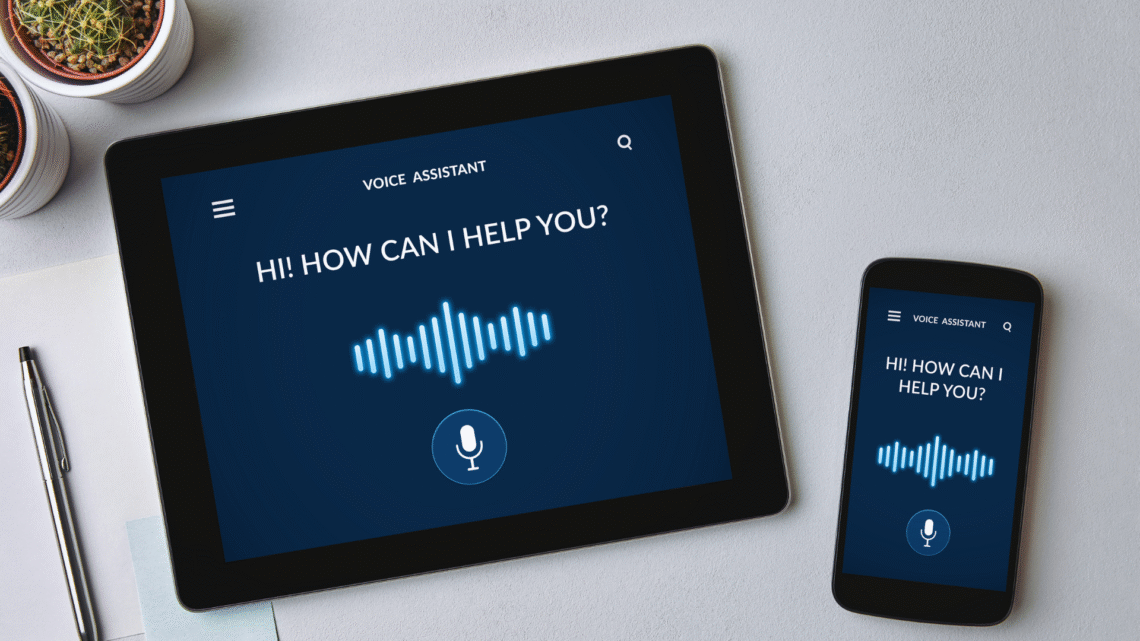
Voice technology is becoming an essential part of modern computing, changing the way people interact with devices. Its rise is transforming user experiences, making technology more accessible and intuitive. From virtual assistants to voice-activated applications, these innovations are streamlining tasks and enhancing productivity.
As voice recognition improves, it is gaining traction in various sectors, including healthcare, automotive, and customer service. Businesses recognize the potential to enhance user engagement while simplifying processes for consumers. The shift towards voice-activated solutions demonstrates a growing demand for more natural interactions with machines.
Understanding this trend is crucial for anyone looking to stay ahead in the digital landscape. The implications of voice technology extend beyond convenience; they offer insights into the future of human-computer interaction. Investing attention in this evolution can unlock new opportunities and reshape the way society interacts with technology.
Key Innovations Behind Modern Voice Technology
Recent advancements have transformed voice technology into a user-friendly and efficient tool in computing. Key innovations involve the integration of artificial intelligence, natural language processing, and improved voice command recognition capabilities.
Artificial Intelligence and Deep Learning
Artificial intelligence (AI) plays a critical role in voice technology advancements. Deep learning techniques, such as neural networks, enable systems to recognize and interpret voice patterns with remarkable accuracy.
These systems learn from vast amounts of data, adjusting and improving their performance over time. For instance, speech recognition systems employ convolutional neural networks (CNNs) to identify sounds and phonemes.
This reduces errors and enhances user experience. As a result, AI-driven voice technologies can now understand accents and dialects more effectively, catering to a global audience.
Natural Language Processing and NLP Advances
Natural language processing (NLP) is another cornerstone in the evolution of voice technology. NLP allows machines to comprehend and process human language in a way that feels natural.
Recent breakthroughs in NLP include transformer models like BERT and GPT. These models facilitate better contextual understanding by analyzing word relationships within sentences.
Consequently, users experience more accurate responses to voice commands. NLP also contributes to the development of conversational agents that can manage complex inquiries, making them invaluable for customer service and virtual assistants.
Voice Command Recognition and Processing
Voice command recognition technology has evolved significantly, enabling seamless interaction between users and devices. Enhanced algorithms now process commands rapidly and with high accuracy.
Speech recognition technology has integrated multi-modal approaches, allowing devices to interpret verbal cues alongside visual input. This multi-faceted processing improves command execution.
Furthermore, continuous learning from user interactions has made systems more personalized, adapting to individual speaking styles. As a result, people find voice-controlled systems more intuitive and easier to use in everyday applications.
Evolution and Adoption of Voice Technology
Voice technology has undergone significant advancements since its inception. The journey began with basic speech recognition systems, transformed through breakthroughs by leading companies, and found widespread use in virtual assistants and smart devices. This evolution showcases both technical progress and increasing consumer adoption.
Early Speech Recognition Systems
The first attempts at speech recognition emerged in the 1950s and 1960s. Early systems like IBM’s Shoebox could recognize a limited vocabulary, often requiring specific enunciation. These systems were rudimentary and relied heavily on hardware that was expensive and cumbersome.
During this period, speech recognition faced challenges, such as background noise interference and limited accuracy. Despite these drawbacks, researchers laid the groundwork for more sophisticated technology. The blend of linguistic rules and acoustic models began shaping future advancements.
Breakthroughs by IBM and Dragon Systems
In the 1990s, IBM and Dragon Systems made significant progress in voice technology. IBM introduced the first continuous speech recognition system, which improved accuracy and usability. Dragon Naturally Speaking, launched in 1997, allowed users to dictate text in real-time, establishing a foundation for voice-driven productivity.
These advancements led to broader applications in various sectors, including healthcare and customer service. Businesses started integrating voice recognition for efficiency and accessibility. IBM and Dragon Systems effectively set industry standards, paving the way for future innovations.
Emergence of Virtual Assistants and Smart Devices
The rise of smart devices in the 2010s marked a pivotal moment for voice technology. Apple’s Siri, launched in 2011, demonstrated the potential of voice assistants for consumer use. Shortly after, Amazon introduced Alexa, followed by Google Assistant. These virtual assistants became integral to smartphones and smart speakers.
As a result, voice technology gained traction in smart home devices, allowing users to control lighting, security, and appliances with voice commands. This shift toward hands-free interaction enhanced user experience and convenience. Increased adoption by consumers reflects the growing reliance on voice technology in daily life.
Transformative Applications and Social Impact
Voice technology is reshaping how individuals interact with devices and services. It provides convenience in daily tasks and improves accessibility for diverse groups. The following subsections explore key areas where voice technology is making a significant impact.
Consumer Devices and Everyday Use
Voice technology has permeated consumer devices, particularly smartphones and smart home devices. Virtual assistants like Siri, Google Assistant, and Alexa enable users to perform tasks hands-free. This feature allows for quick interactions, such as setting reminders, checking the weather, or controlling smart home devices.
These systems enhance living environments, offering seamless control over lighting, temperature, and security systems. Smart speakers have become integral in households, providing entertainment and information through simple voice commands. As voice technology evolves, it continually adapts to user preferences, ensuring that everyday tasks become more efficient.
Advancements in Customer Service
In customer service, voice technology is revolutionizing how businesses interact with clients. Automated systems powered by voice assistants streamline inquiries, offering immediate responses. This efficiency reduces wait times and improves customer satisfaction.
Companies are implementing intelligent voice recognition to handle complex queries, enabling personalized service. This technology allows businesses to maintain a competitive edge by delivering superior support through 24/7 availability. The integration of voice technology not only enhances user experience but also provides valuable data for improving services.
Enhancing Accessibility and Inclusivity
Voice technology plays a crucial role in enhancing accessibility for individuals with disabilities. It allows them to interact with devices in ways that might not be possible otherwise. For example, voice commands empower those with mobility issues to control smart devices or browse the internet.
Inclusivity also extends to language recognition, where voice assistants increasingly support multiple languages and dialects. This capability ensures that more people can access and benefit from technology. By removing barriers, voice technology contributes to a more inclusive digital landscape for all users.
Challenges, Privacy, and the Future of Voice Technology
As voice technology advances, it faces significant challenges, particularly related to privacy and security. Ethical implications abound as developers navigate these hurdles, all while keeping an eye on future trends.
Privacy Concerns and Ethical Implications
Privacy concerns are at the forefront of voice technology discussions. Many users remain apprehensive about how their voice data is collected, stored, and utilized. Companies often implement voice recognition systems that require users to concede a certain level of data access.
The ethical implications involve ensuring transparency in data usage. Users must be informed about how their vocal patterns influence targeted advertising and other services. Clear consent protocols should be established to protect user rights.
Security and Voice Biometrics
Voice biometrics offers a promising avenue for security but comes with its own risks. This technology uses unique vocal characteristics to authenticate users. While it enhances convenience, it can also expose users to identity theft if leveraged maliciously.
To safeguard these systems, developers need to employ robust encryption methods. Organizations should also educate users on potential risks associated with voice commands. Monitoring unauthorized access and maintaining secure servers will be critical in the near future.
Edge Computing and Emerging Trends
Edge computing is becoming an essential component in voice technology. By processing data closer to the user, it reduces latency and enhances the overall experience. This approach minimizes data transmission to central servers, which can alleviate privacy concerns.
Emerging trends in voice technology include the integration of virtual reality. This creates immersive environments where voice commands can facilitate interaction. As these technologies converge, maintaining robust privacy and security measures will be vital for both developers and users alike.


You May Also Like
How to Master JavaScript Frameworks Like React and Vue: A Comprehensive Guide

Tips for Speeding Up Your Website: Proven Strategies for Improved Performance
