When Programming Meets Digital Art: Exploring the Creative Intersection
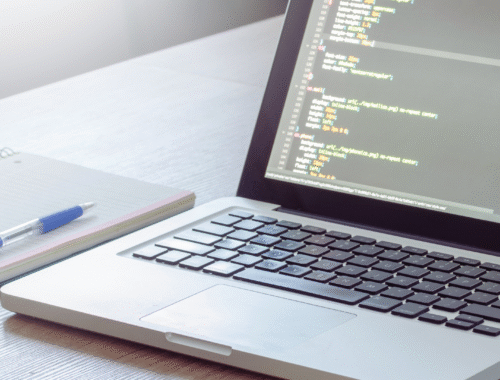
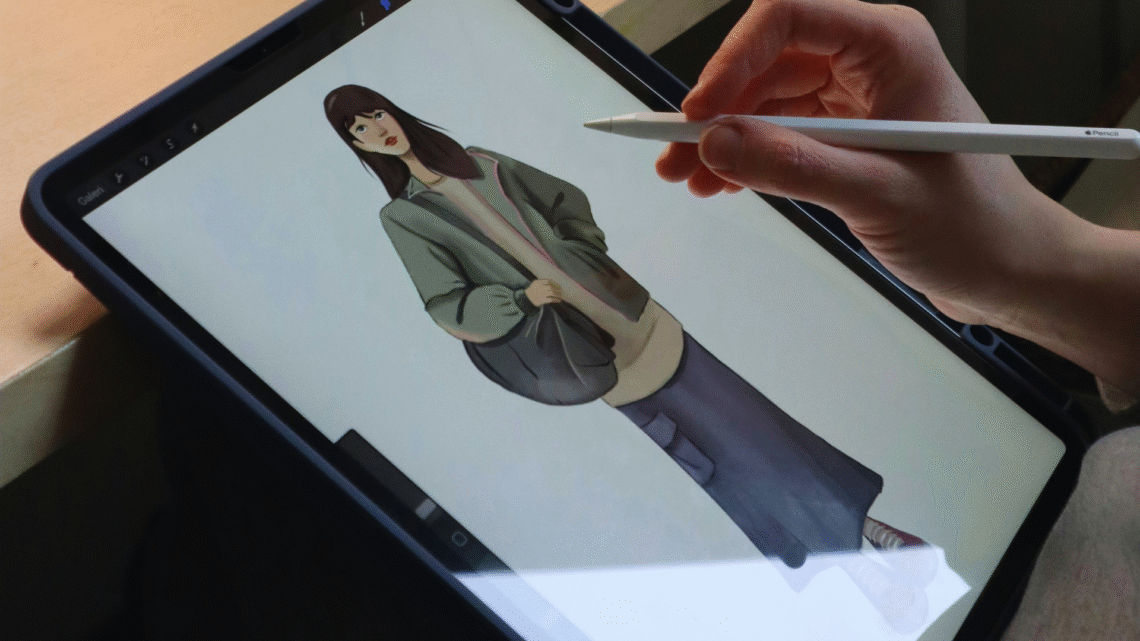
The intersection of programming and digital art creates a fascinating landscape where creativity meets technical skill. Artists leverage programming languages to design interactive pieces, generate visual art algorithmically, or even create immersive installations. This synergy allows for innovative expressions that were previously impossible, transforming traditional art forms into dynamic experiences.
As technology evolves, the tools available for artists have expanded significantly. Software frameworks and libraries are now accessible, enabling artists to experiment with generative designs and animations. This opens up new avenues for collaboration, where programmers and artists can contribute their unique perspectives.
Exploring this blend of disciplines reveals not only the potential for stunning visual results but also highlights the growing importance of coding in creative fields. The outcomes of this collaboration can redefine artistic boundaries and challenge conventional notions of what constitutes art today.
Fundamentals of Programming in Digital Art
Programming plays a vital role in enhancing digital art by allowing artists to create dynamic, interactive pieces. Understanding coding fundamentals facilitates innovative techniques in the creative process. This section delves into the intersection of programming and artistic expression.
The Role of Coding in Creative Processes
Coding empowers digital artists to push boundaries in their work. It allows for the creation of unique interactive installations and generative art. By implementing logic and algorithms, artists can automate repetitive tasks, enhancing efficiency and creativity.
For example, coding can control variables such as color, movement, and sound in visual media. This dynamic control transforms static art into immersive experiences. Consequently, the intertwining of coding and art enables artists to explore new dimensions in their creative processes.
Key Programming Languages for Digital Artists
Several programming languages are particularly relevant for digital artists. Java is widely used in creating complex graphics and rich interactive applications. It supports a range of frameworks that can easily integrate with art software.
Python offers simplicity and readability, making it a favorite among artists for prototyping. Libraries like Pygame and Processing provide tools to create multimedia artworks seamlessly.
JavaScript is essential for web-based art projects. Its ability to manipulate HTML and CSS allows artists to create engaging online experiences. Utilizing these languages, artists can enhance their portfolios and create impactful work that resonates with audiences.
Software Development Approaches in Visual Creation
Different software development approaches can enhance the artistic process. Agile methodologies encourage iterative development, allowing artists to refine their projects gradually. Continuous feedback is a crucial aspect, as it helps artists adapt their work based on audience interaction.
Additionally, object-oriented programming (OOP) structures art projects effectively. OOP enables artists to create reusable components, enhancing modularity in their pieces. This leads to a streamlined workflow and fosters collaboration within creative teams, where artists can merge their coding skills with artistic vision.
Technological Innovations Bridging Art and Code
Recent advancements have created new opportunities for artists to merge technology with traditional art forms. Key innovations include interactive experiences, JavaScript’s role in digital projects, and the emergence of specialized platforms that cater to digital artists.
Interactive Artworks and Real-Time Feedback
Interactive artworks utilize technology to engage audiences in unique ways. These pieces respond to user input, creating dynamic experiences that change based on viewer interaction.
Technologies like sensors, cameras, and algorithms allow artists to craft installations that evolve in real-time. For instance, motion sensors can alter visuals or sounds when viewers walk through a space. Artists use software like Processing to program these interactions, resulting in pieces that transform continuously, inviting repeated exploration.
This interactivity not only enhances viewer engagement but also fosters a dialogue between the artwork and its audience. The experience becomes collaborative and personal, challenging traditional perceptions of art as static.
JavaScript Applications in Digital Art
JavaScript plays a pivotal role in the digital art landscape, enabling artists to create visually rich and interactive experiences. Artists employ JavaScript libraries such as p5.js and Three.js to enhance functionality and aesthetics.
Through p5.js, artists can easily manipulate graphics and animations. This library simplifies complex coding tasks, allowing for rapid prototyping and experimentation. Three.js, on the other hand, empowers creators to build 3D environments that offer immersive experiences.
These applications facilitate interactive and responsive artwork that resonates with modern audiences. Artists can easily integrate multimedia elements like audio and video, further enriching the viewer’s experience.
Emerging Tools and Platforms
A variety of emerging tools and platforms are reshaping the digital art sphere. These innovations streamline the process for artists and expand their creative possibilities.
Platforms like ArtBlocks leverage blockchain technology to create generative art. Each piece is unique and verifiable, integrating coding directly into the ownership and creation process. Furthermore, tools like Adobe Creative Cloud now incorporate features for working with code, allowing artists to experiment with both art and programming seamlessly.
These platforms encourage collaboration among artists, programmers, and technologists. As these tools evolve, they empower new forms of expression, making technology a vital partner in the creation of contemporary art.
Impact and Future Trends
The convergence of programming and digital art significantly influences both fields. New collaborations and technological advancements are reshaping the creative landscape, leading to innovative ways artists and developers interact and produce work.
Collaborative Ecosystems Between Artists and Developers
The relationship between artists and developers has evolved into a dynamic ecosystem. Collaborative projects are becoming more common, where each party brings unique skills to the table. Artists focus on aesthetic elements, while developers optimize software functionality.
This partnership fosters innovation in digital art forms, such as interactive installations and mixed reality experiences. By utilizing platforms like GitHub or collaborative tools such as Figma and Adobe Creative Cloud, teams can easily share feedback and iterate on designs in real-time.
In some cases, developers integrate algorithms to create generative art, allowing for unique outputs based on coding logic. As these collaborations grow, interdisciplinary skills become increasingly valuable, creating diverse career paths.
Expanding Creative Possibilities Through Technology
Advancements in technology continue to open new avenues for creativity. Tools such as virtual reality (VR) and augmented reality (AR) are transforming how art is created and experienced. These technologies provide immersive environments that enhance user engagement.
Software development plays a crucial role in this evolution. Applications like Unity and Processing enable artists to experiment with complex algorithms and real-time rendering, resulting in visually captivating artwork.
Moreover, artificial intelligence (AI) is redefining artistic boundaries by generating images based on specified parameters. Artists can now explore profound concepts and create work that was previously unimaginable. The interplay between art and technology will likely lead to new genres and styles, pushing the limits of artistic expression.

You May Also Like

Thinking About Computers

The Evolution of Personal Computing from Desktops to Cloud: A Journey Through Technological Advancements